
How Much Does a New Kitchen Cost? A UK Breakdown
Updated: 4 days ago
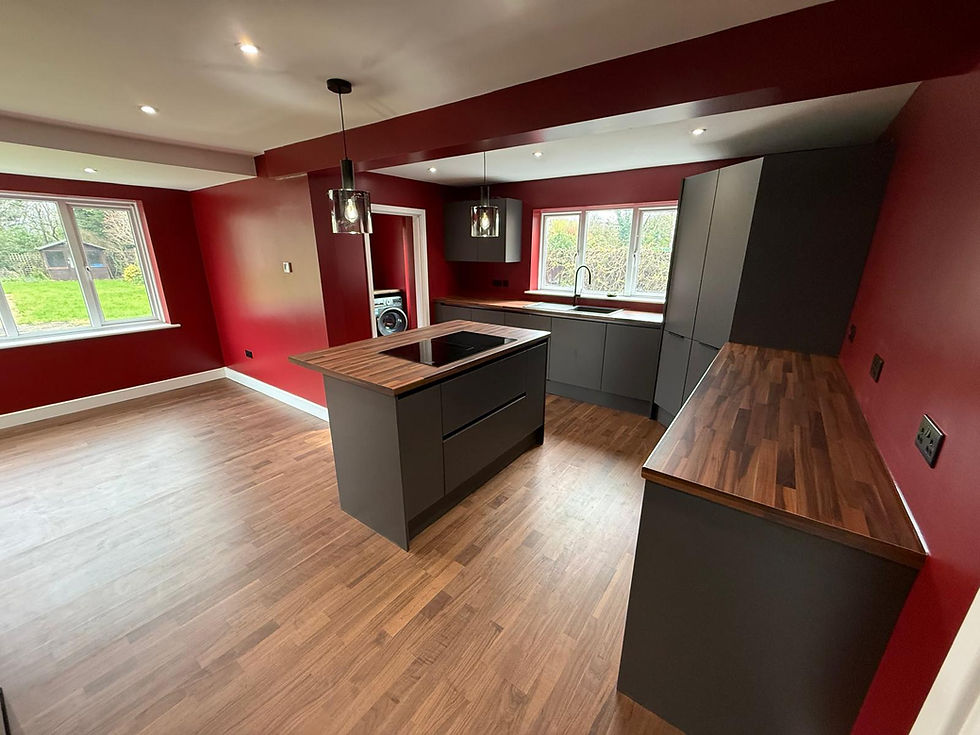
Most new kitchens in the UK cost somewhere between £8,000 and £25,000 fully fitted, with a budget flat-pack kitchen coming in lower and a bespoke, made-to-measure kitchen typically starting somewhere around £20,000 to £25,000. Where your kitchen lands in that range depends less on the doors you pick and more on the size of the room, the worktop material, the appliances and how much building work sits around the new units.
Those are typical UK market figures, not a price list. Every kitchen is priced on what's actually in the room, which is why a proper quote only comes after someone has measured up.
Typical UK price ranges by kitchen type
These ranges cover a medium-sized kitchen including fitting, but not major building work.
Budget or flat-pack: around £5,000 to £10,000. Standard carcasses from a big retailer, laminate worktops, basic appliances. Good value if the layout stays the same.
Mid-range fitted: around £10,000 to £25,000. Better carcasses, a wider choice of doors, quartz or solid wood worktops, branded appliances.
Bespoke: typically from around £20,000 to £25,000 upwards, rising steeply with hand-painted finishes, solid timber and stone. There's more on where that money goes in our guide to what makes a kitchen genuinely bespoke.
The door style changes the price less than people expect. A painted shaker kitchen can sit at either end of the market depending on whether it's a foil-wrapped standard door or a solid timber in-frame one.
What goes into the price
A kitchen quote is really several jobs stacked together. Seeing them separately makes it much easier to compare two quotes line by line.

Units and doors: Usually the biggest single item. Carcass quality (18mm board versus thinner, solid backs, soft-close runners) matters more for lifespan than the door finish.
Worktops: Laminate is the cheapest per metre. Solid wood sits in the middle. Quartz, granite and sintered stone cost the most and are templated and fitted by a specialist after the units go in.
Appliances: Anywhere from a couple of thousand pounds to five figures. Integrated appliances cost more than freestanding ones and need matching housings.
Fitting labour: Typically £1,500 to £6,000 for installing the units and worktops on their own, depending on the size and how complex the layout is.
Trades and making good: Plumbing, electrics, gas, plastering, tiling, flooring and decorating. On an older house this part often surprises people.
Removal and disposal: Stripping out the old kitchen and skip hire.
What pushes a kitchen quote up
Moving things is the biggest cost driver we see. Keeping the sink, cooker and fridge where they are means the plumbing, waste, gas and electrics stay broadly in place. Moving the sink to an island means new waste runs under the floor, and moving the hob often means new extraction ducting through an external wall.
Other things that add cost:
Knocking through: Taking out a wall to create an open plan space needs a structural engineer's calculations, a steel beam and building control sign-off. That's building work, not kitchen fitting.
Electrical work: A new kitchen usually needs extra sockets, a dedicated cooker circuit and new lighting. Under Part P of the Building Regulations, kitchen electrical work has to be done by a registered electrician or notified to building control.
Uneven walls and floors: Older houses around Northamptonshire rarely have a true wall or a level floor. Packing, scribing and levelling take time.
Stone worktops: Templating adds a wait between units going in and worktops going on, and every cut-out (sink, hob, tap holes) is priced.
Floor and walls: A new floor laid before the units go in, a full re-plaster or new tiling all add days.
Kitchen fitting cost on its own
If you've bought a kitchen yourself and just want it installed, UK fitting labour typically runs from about £1,500 for a small straightforward kitchen to £6,000 or more for a large one with an island, tall housings and a lot of cutting. Daily rates vary by region and experience.
What's included varies a lot between quotes. Some fitters quote for units and worktops only. Others include plumbing the sink and appliances, connecting the hob, fitting the extractor, and the plinths, cornice and end panels. Check whether worktop fitting is included when the worktop is stone, because that's usually the stone company's job.
How to compare kitchen quotes
The cheapest quote is often cheapest because something is missing. When comparing, put each quote against the same list:
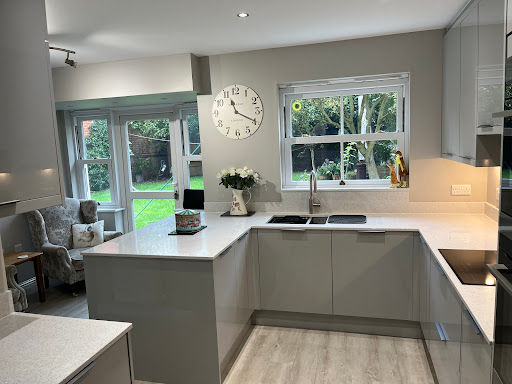
Strip-out and disposal of the old kitchen
Supply and fit of units, doors, handles and plinths
Worktops, upstands and splashbacks (and who templates and fits them)
Appliances, and who connects each one
Plumbing, waste and any gas work, including whether the new tap suits your sink and pipework (not all kitchen tap fittings are the same)
Electrics, including new circuits and certification
Plastering, tiling, flooring and decorating
Making good around the new units
Who manages the trades and the order of work
A detailed, itemised quote tells you what you're paying for. That's how we price kitchen fitting in Kettering: after a site visit, with every trade shown. If you're weighing up standard sizes before you choose units, our guide to typical kitchen worktop sizes is a good place to start.
Is it cheaper to extend and fit a kitchen at the same time?
Often, yes, per square metre, because the trades are already on site and the services are being run fresh. It's a bigger total spend, though, and a kitchen extension cost is driven mainly by the floor area and the structural work rather than the units. If the real problem is that the kitchen is too small, a single storey rear or side return extension can be the better investment. That's a building project first and a kitchen second, and it's worth talking to a builder who does both home extensions and kitchens.
New kitchen cost questions, answered
Does a new kitchen add value to a house?
A good kitchen helps a house sell and can lift what buyers will pay, but it rarely returns every pound spent. Buyers notice layout, light and condition more than premium appliances, so spend where it improves how the room works.
How long does a new kitchen last?
A well-made kitchen with solid carcasses typically lasts 15 to 25 years. Doors and worktops can be replaced or refinished part way through, which is cheaper than starting again.
Should I buy the kitchen myself and just pay for fitting?
You can, and it sometimes saves money. The catch is that if a unit arrives damaged or the order is short, the delay lands on you, and the fitter can't fix a design problem they didn't create.
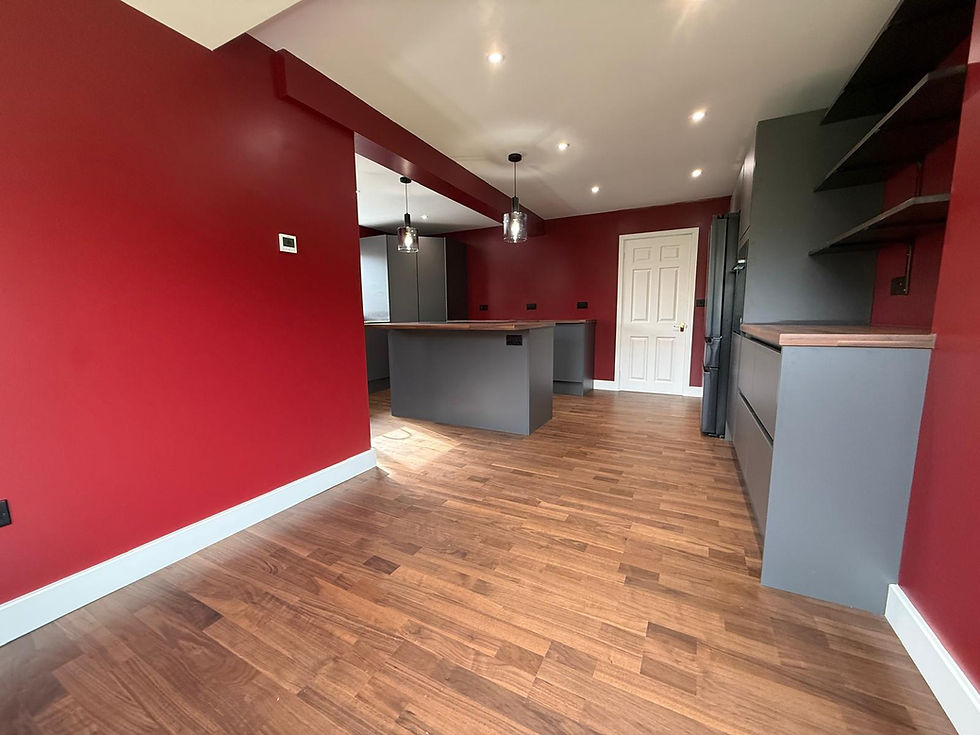
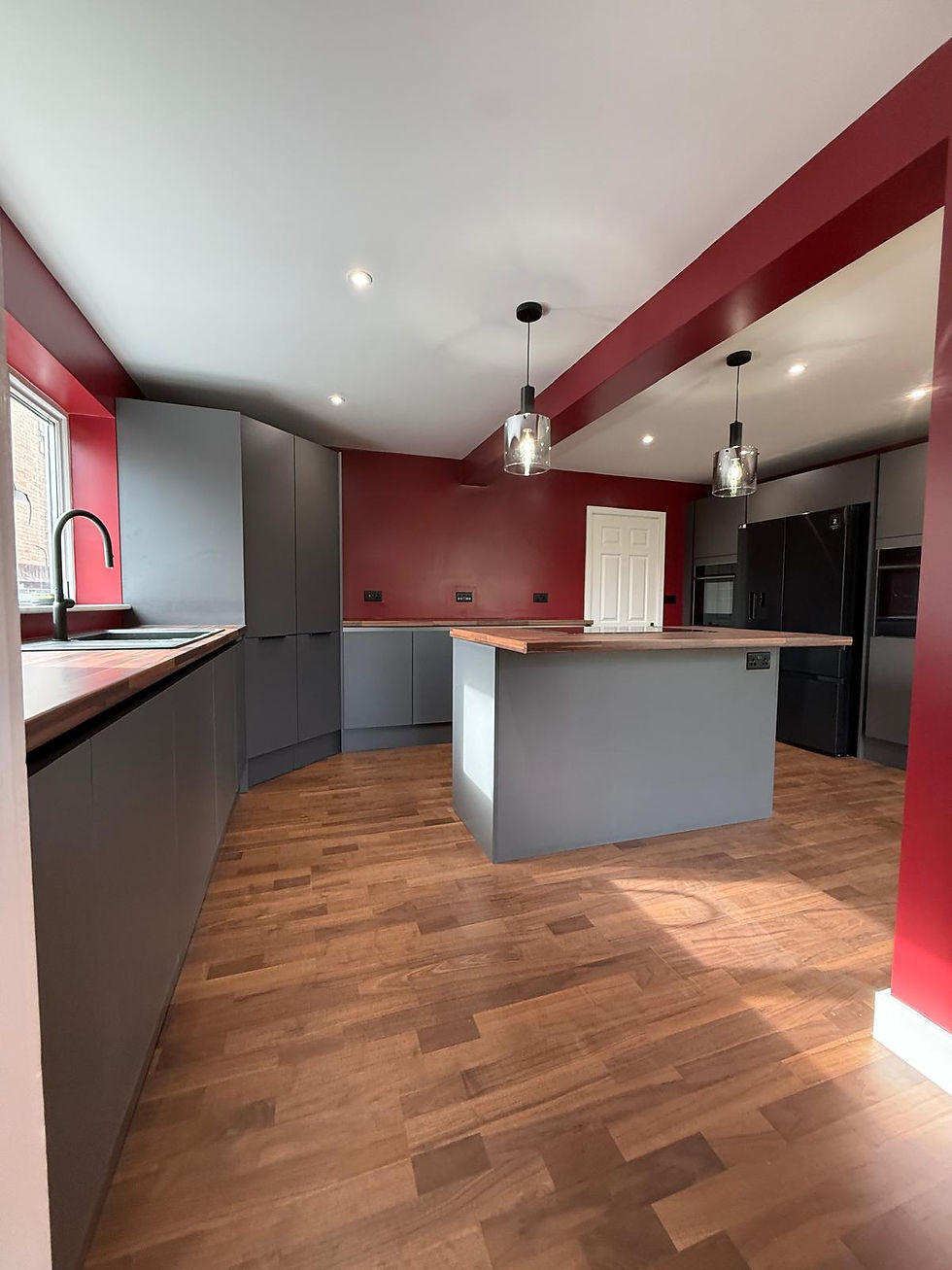
If you'd like a clear figure for your own room, in Kettering or further afield through our kitchen fitting in Corby and the surrounding towns, we'll measure up, talk through what you want to keep and what you want to move, and give you an itemised quote. You can see a finished example in our kitchen fitting case study, or get in touch to arrange a visit.

Comments