
How to Design an Extension: The 5 Steps From Idea to Drawings
Updated: 2 days ago
The best way to design a home extension is to work in five stages: define what you actually need, check what your property can physically take, choose the right type of extension, design for how you'll live in it day to day, then get the drawings done by the right professional. Skipping a stage tends to end in regret or rework. These are the steps we follow on extensions across Kettering and Northamptonshire.

Step 1: Get clear on what you need
Most homeowners start with a solution (a rear extension, a loft) before they've defined the problem. Reverse the order.
Walk through the house and write down what isn't working. Are you short on storage? Is the kitchen too narrow to host? Is there nowhere to work from home? Do the bedrooms run out by the time the third child arrives?
A useful exercise: list the rooms you wish you had, and the rooms you have but rarely use. The mismatch often points at the answer. Sometimes you need a smaller, smarter intervention rather than a large bolt-on. Knocking through internal walls or repositioning a staircase can solve more than people think.
It's also worth asking what you've already got that could be reused. If you've got an unused conservatory, for example, the question of whether to convert it or replace it with a proper extension is worth answering before committing to a fresh build.
Step 2: Check what your property can physically take
Before you draw anything, look at the constraints. These shape every design decision that follows.
The main constraints in a typical UK extension project are:
Plot size and boundaries: where does the property end? Are there boundary lines you need to stay clear of? Are there easements that affect what can be built on certain parts of the garden?
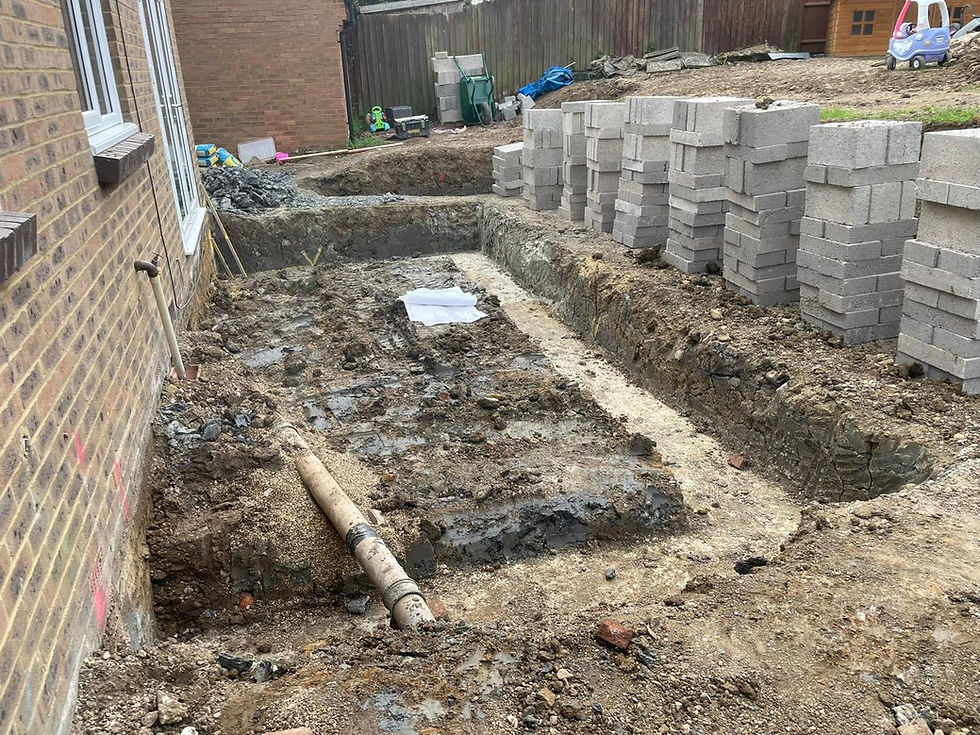
Drains and sewers: a drain cover sitting in the proposed footprint can change the entire design. We've written a separate piece on whether you can build an extension over a drain cover and what your options are when one's in the way.
Existing structure: will the existing house take the additional load of a double storey, or is it limited to a single storey? What's the roof structure like? Where do load-bearing walls run?
Trees and ecology: protected trees, root protection areas, and bat or bird habitats can all rule out parts of the garden.
Conservation areas, listed status and Article 4 directions: these tighten what's allowed on the outside of the building and often dictate materials.
Planning constraints: permitted development covers many extensions, but not all. If your project falls outside permitted development, you'll need planning permission and the 8-week (or longer) timeline that comes with it.
A measured survey at this stage is worth the money. It shows you exactly what you're working with and stops you designing something that won't fit.
Step 3: Choose the right type of extension
The combination of what you need and what the property can take usually narrows the options to two or three. The main types worth considering for most UK homes:
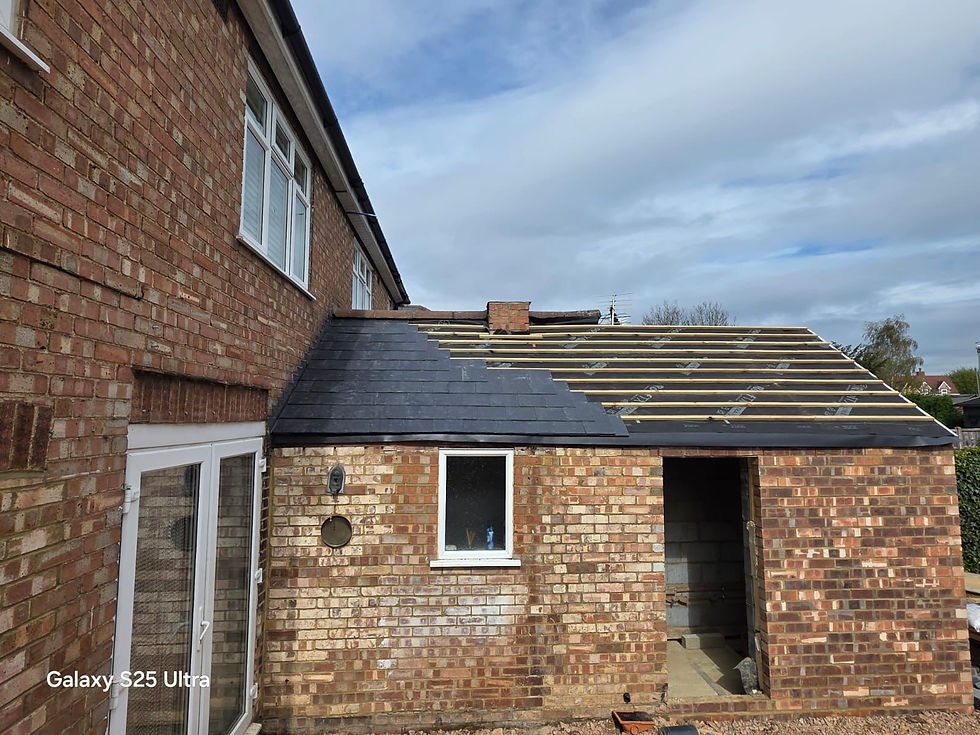
Single storey rear extension: The most common, lowest-disruption option. Good for kitchens, dining rooms, family rooms. Often falls within permitted development.
Side return extension: Particularly common on Victorian terraced homes where there's a narrow strip alongside the kitchen. Adds floor area without losing garden depth.
Wraparound extension: A side return combined with a rear extension. Bigger gain in floor area, larger project.
Double storey extension: Adds rooms upstairs as well as down. Often the best value per square metre, but more disruptive, and it usually needs planning permission (a two-storey rear extension can be permitted development only within tight limits).
Loft extension: A dormer or hip-to-gable extension uses the roof space. Good for an extra bedroom or office without losing garden.
Garage conversion: If the garage is no longer used as a garage, converting it is often the cheapest way to add usable space.
Front extension or porch: Adds a bigger hallway or entrance. A front of house extension usually needs planning permission, although a porch of up to 3 square metres can often go ahead without it.
Many projects combine two of these. A rear extension plus a loft conversion is a common upgrade for a growing family.
Step 4: Design for how you'll actually live in it
This is where most extensions go wrong. The extension gets built as a standalone box, with a tacked-on opening into the existing house, and the rest of the home stops working as a result.
A few things to think about up front:
Where the light comes from: north-facing extensions need careful glazing and rooflights to avoid being gloomy. South-facing extensions need shading to avoid overheating in summer.
The flow between rooms: knocking through an old kitchen wall to open onto the new extension is often the single biggest improvement. The new and old should feel like one space, not two.
Where the doors and windows go: sightlines into the garden, views from the kitchen sink, where the kids will sit, where the dog will lie. These small decisions shape day-to-day living more than the headline floor area.
Where the services run: plumbing, drainage, gas and electrics all have to go somewhere. Plan their routes early or you'll end up with awkward bulkheads and boxed-in pipes.
What the existing house needs: a new extension often exposes how tired the original house has become. Budget for a refresh of the connecting rooms.
Step 5: Get the drawings done by the right person
The drawings can come from an architect, an architectural technologist or designer, or a draughtsperson, with a structural engineer alongside for the calculations. Which one suits depends on how complex and design-led the project is; our guide on whether you need an architect for a small extension goes through the choice.
Whichever route you take, the drawings need to do two things: get past planning, and tell the builder how to construct what you've designed. Beautiful renderings that can't actually be built, or won't pass building control, are wasted money. If you want one firm to handle both, Lewington Homes offer design and build in Surrey and Hampshire.
If you're at the design stage and want one team to handle the drawings, planning and build, whether in Kettering or for home extensions in Oundle, speak to our team. We design extensions around how you actually live, not just around what looks good on a plan.
Comments