
Are Shutter Blinds Suitable for Kitchens? What Works and What Doesn't
Updated: 4 days ago
Yes, plantation shutters work well in most kitchens, particularly in polyvinyl (PVC) or treated hardwood. They handle steam, heat and grease splatter better than fabric blinds or curtains. The adjustable louvres let you control light and privacy independently, and the solid frame wipes clean with a damp cloth.
Curtains pick up cooking smells and fabric blinds collect grease, which is why shutters come up so often when we plan a new kitchen in Northampton or Kettering. Below is what we tell homeowners about materials, styles and the cases where shutters are not the answer.

Why plantation shutters work in kitchens
Three reasons shutters are a strong choice for kitchen windows:
Water and heat resistance: Polyvinyl shutters are 100% moisture-resistant, and well-finished hardwood holds up to typical kitchen humidity without warping. Steam from the kettle, the hob and the dishwasher doesn't damage them the way it damages curtain fabric or fabric roller blinds.
Easy to clean: Grease and splatter wipe off with a damp cloth and mild detergent. No machine washing, no dry cleaning, no replacement panels.
Independent light and privacy control: Adjustable louvres let you bring light in while keeping the lower half of the window covered. Useful when the kitchen faces the street, or when the window sits at counter height behind the sink.
Plantation shutters also tend to outlast fabric window treatments, which means you're not replacing them every few years as styles change.
Which type of shutter is best for a kitchen?
The right material depends on where the shutter sits, how exposed it is to steam and grease, and your budget.
Polyvinyl (PVC) shutters: The most moisture-resistant option. Designed for high-humidity rooms like kitchens, bathrooms and wet rooms. Cheaper than hardwood. The downside is they tend to look slightly less premium up close than a real wood shutter.
Hardwood shutters: Made from sustainably sourced timber, finished with a moisture-resistant coating. Works well in most kitchens with reasonable ventilation. Premium look and feel, higher cost.
Faux wood (composite) shutters: A middle ground. Engineered timber wrapped in a moisture-resistant finish. Looks like hardwood at a distance, holds up to kitchen humidity better than untreated wood, and costs less than full hardwood.
Softwood shutters: Cheaper still, but less moisture-resistant. Better suited to dining rooms and bedrooms than to a window over a kitchen sink.
If the shutter sits directly above the sink, hob, or another high-exposure spot, polyvinyl is usually the safest call. For a window across the room from the cooking zone, hardwood is fine and often the more attractive choice.

Design options for kitchen windows
Plantation shutters come in several configurations. The right one for your kitchen depends on the window itself and how much privacy you want.
Full height: A single shutter panel covering the whole window. Simple, clean, the most common style.
Tier on tier: Two separate sections (top and bottom) that open independently. Useful when you want the top open for light while keeping the bottom closed for privacy. Often the best fit for kitchens facing the road.
Café style: Only the lower half of the window is covered. The top half stays clear for maximum natural light. Works well for kitchens facing a garden where you want light from above and privacy at counter level.
Solid shutters: A traditional alternative with no louvres, more cottage or Georgian in feel. Less light control, but a distinctive look that suits period properties.
For windows behind a sink, café style and tier on tier are the two most popular choices. They balance light, privacy and easy access to the window itself, for opening it or cleaning behind the sink.
Shutters vs other kitchen window treatments
How shutters compare to the main alternatives:
Curtains: Look elegant but pick up cooking smells, grease and moisture. Need regular washing. Not ideal close to the hob or sink.
Roller blinds: Affordable and quick to install, but the fabric stains, the mechanism can clog with grease over time, and replacement is more frequent than with shutters.
Roman blinds: Same fabric issues as roller blinds, with the added problem that the pleats trap dust and grease.
Venetian blinds (aluminium or PVC): Metal Venetians can corrode in humid environments, PVC ones warp in heat. Easier to clean than fabric but less durable than shutters.
Vertical blinds: Vertical blinds in a kitchen suit wide patio doors and bifolds, but over a sink or hob the slats swing, get splashed and pick up grease.
Wooden Venetians: Mid-priced option. Hold up better than fabric blinds but worse than plantation shutters in high-humidity zones.
Shutters cost more upfront than most alternatives, but the lifespan usually makes up the difference. Most plantation shutters last 10 to 20 years with normal use.

When shutters might not be the right choice
A few cases where shutters aren't the obvious answer:
Very small windows: The shutter frame eats into the visible glazing area, which can make a small window look smaller. Worth measuring before committing.
Period properties with original sash windows: Some homeowners prefer to keep the sash exposed. Shutters can be installed in front of or recessed within a sash, but the look isn't always right for the property.
Tight budgets: If you're working to a tight budget on the overall kitchen, well-fitted faux wood Venetians or quality roller blinds can do a reasonable job at a fraction of the cost.
Directly above a gas hob: Shutters survive heat and steam fine, but extended grease exposure directly above the hob is hard work for any window treatment. Worth considering a different solution there.
Designing a kitchen around the window
The window treatment is one of the last decisions in a kitchen project, but it's worth thinking about early. The shutter style, the sill depth, the sink position, and the wall units either side of the window all need to work together visually.
A few practical points worth raising at the design stage:
Don't push wall units right up against the window frame. Leave 50 to 100mm so a shutter frame has room to sit cleanly.
If the sink sits under the window, check that the tap height clears any tier-on-tier or café-style frame when it opens.
Decide on the shutter colour before the wall paint is final. Whites and creams can clash with each other in ways that aren't obvious until both are in place.
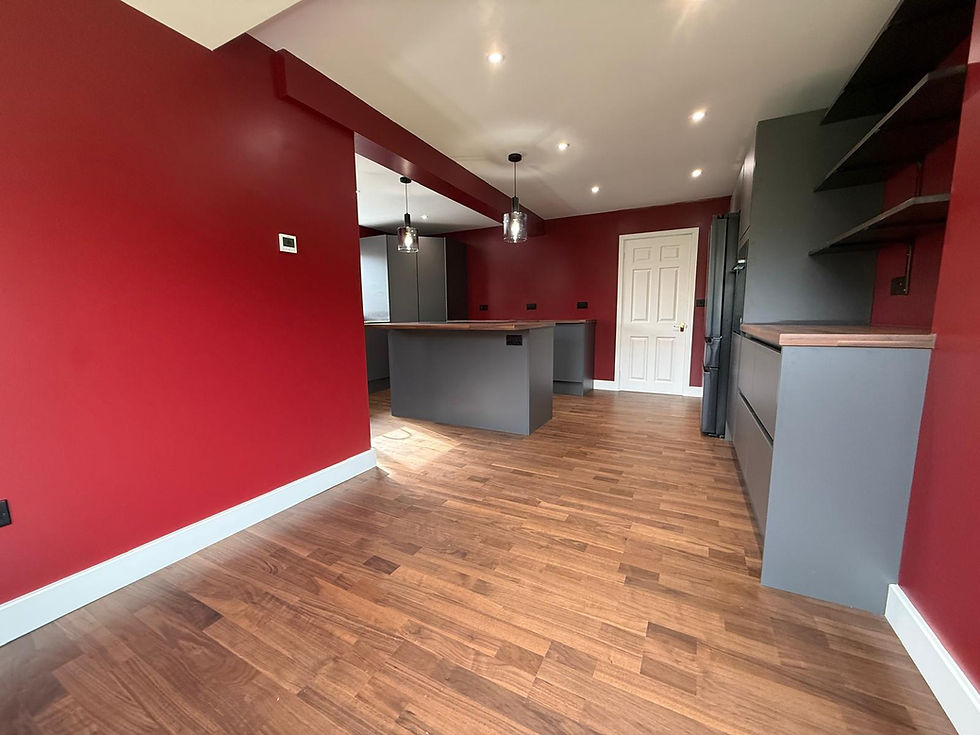
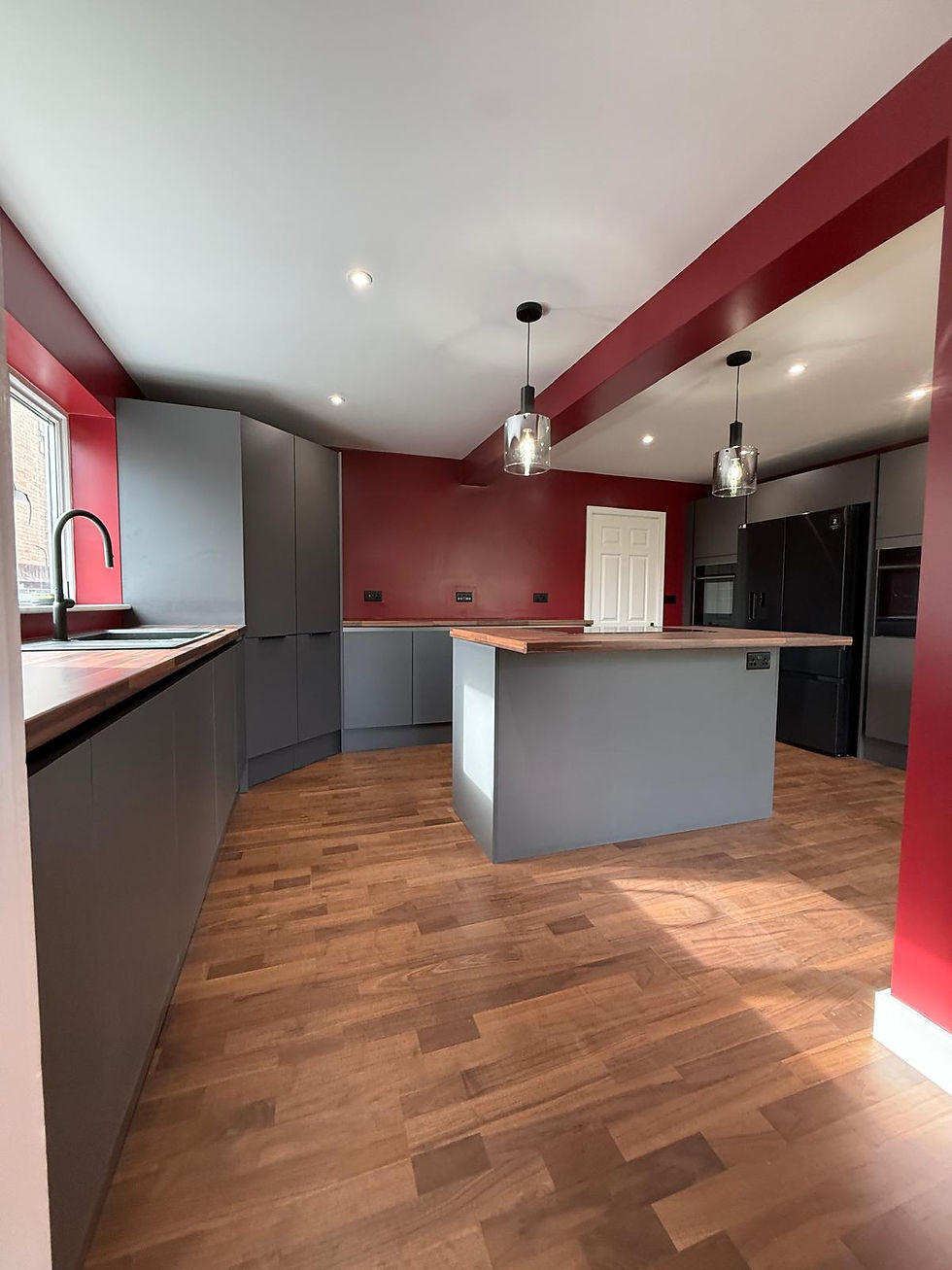
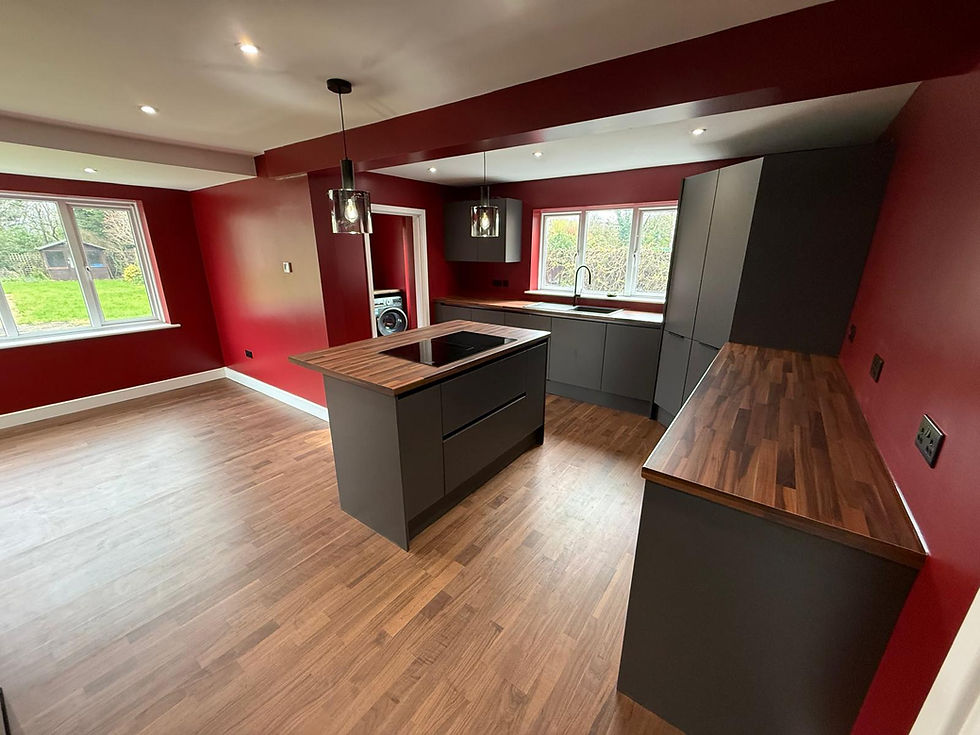
If you're planning a kitchen renovation and want one team to handle the design, supply and fitting, we're kitchen fitters in Kettering and across the wider county.
Comments