
How Long Does a Loft Conversion Take?
Updated: 2 days ago
A loft conversion typically takes 4 to 6 weeks on site for a rooflight conversion and 6 to 14 weeks for a dormer, hip-to-gable or mansard. The design and approvals in front of the build usually take another 2 to 4 months, so plan on roughly 4 to 8 months from first call to a finished room.
Most people use "loft conversion" and "loft extension" to mean the same thing, but the difference between them is what decides the timeline, so we start there. We plan and build loft conversions in Kettering and across Northamptonshire, and below is the timeline stage by stage.

How long does a loft conversion take?
A loft conversion typically takes 6 to 14 weeks of on-site construction if the roof shape changes. A dormer runs to 6 to 8 weeks, a hip-to-gable 8 to 12 weeks, and a mansard 10 to 14 weeks. A rooflight conversion, where the roof shape stays the same, is usually 4 to 6 weeks. Add design and approvals on top.
The build is the visible part. The design and approvals stages before anyone steps on site often take as long as the build itself.
Loft extension vs loft conversion: what's the difference?
A rooflight conversion uses the existing roof space. Adding windows, insulation, flooring, a staircase and partition walls, without changing the roofline. A loft extension goes further: the roof structure itself is altered or extended to create more usable space. Dormers, hip-to-gables and mansards are all loft extensions, although most people still call them loft conversions.
The terms get used interchangeably by most people, but the difference matters. A loft extension involves structural work, scaffolding, new steels, altered or extended roof timbers, and often new exterior brickwork or cladding. Changing the roofline usually means the fascias, soffits and guttering need extending or replacing to match. A pure conversion (typically a Velux rooflight job) doesn't touch the roof structure.
This matters for timeline, cost and building regulations. It matters less for planning than most people expect: many rear dormers and hip-to-gable conversions fall within permitted development, as long as they stay within the volume and design limits. We cover those limits in our guide to whether you need planning permission for a loft conversion.
Timeline by type of loft conversion
The on-site build time depends on which type suits your roof. The most common UK types are:
Rooflight (Velux) conversion: 4 to 6 weeks on site. A Velux loft conversion sets windows into the existing slope with no change to the roof shape.
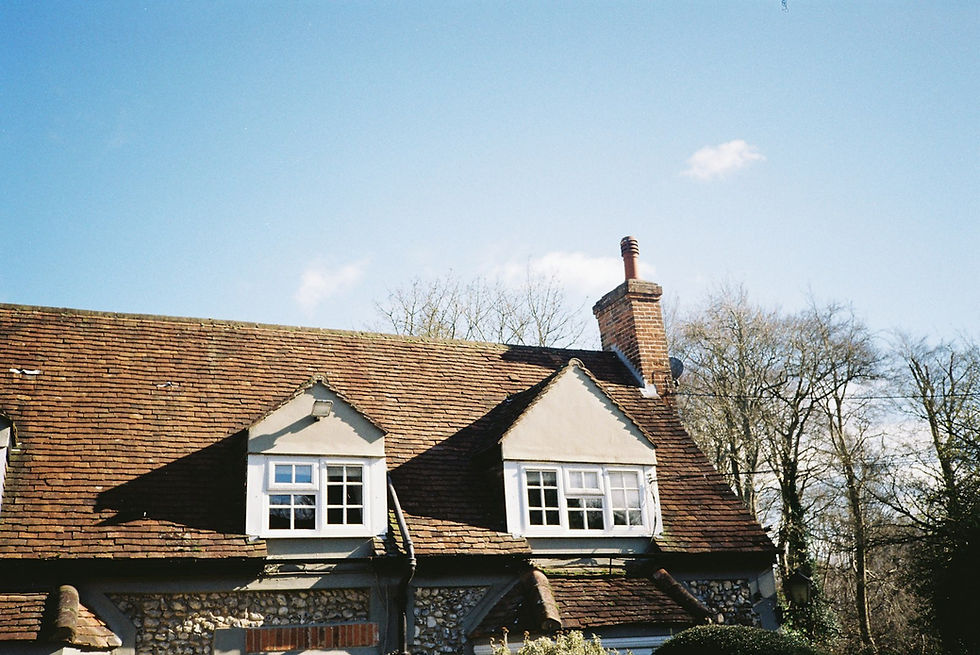
Dormer: 6 to 8 weeks on site. A dormer loft conversion is a box-like structure built out from the existing roof slope. The most common type on semi-detached and terraced homes.
Hip-to-gable: 8 to 12 weeks on site. A hip-to-gable conversion squares off the side of a hipped roof to gain head height and floor area. Common on detached and semi-detached homes.
L-shaped dormer: 10 to 12 weeks on site. Two dormers joined to form a larger L-shaped space. Often used on Victorian terraces with rear closet wings.
Mansard: 10 to 14 weeks on site. A mansard loft conversion reshapes the entire roof slope. Usually needs a planning application, and in some conservation areas it is the form the council prefers.
A dormer is the fastest and most common roof-changing loft conversion in Northamptonshire homes. A mansard takes the longest because the roof slope has to be taken down and rebuilt. Further north, Manifest In Construction handle extensions and loft conversions on the Wirral.
The full loft conversion timeline, stage by stage
Most homeowners only think about the build. In reality, design and approvals account for much of the calendar time.
Stage 1: Design and measured survey (1 to 2 weeks)
A designer visits the property, measures the loft, and produces existing and proposed drawings. This is where the layout, staircase position, dormer size, roof shape and window placement get decided. The accuracy of this stage shapes everything downstream.
Stage 2: Planning permission or a Lawful Development Certificate (up to 8 weeks)
If the design fits within permitted development, no planning application is needed, but most homeowners apply for a Lawful Development Certificate to prove it, which the council normally decides within about 8 weeks. If the design goes beyond permitted development (a front-facing dormer, a mansard, too much added volume) or the house is in a conservation area or is listed, you need a full planning application, which has a statutory 8-week decision period from validation. Conservation areas add scrutiny, and parts of Oundle and Brackley are among the Northamptonshire towns with them. The Planning Portal sets out the formal process.
If the council comes back with objections or asks for amendments, add another 4 to 8 weeks.
Stage 3: Building regulations drawings (2 to 4 weeks)
Every loft conversion needs building regulations approval, whether or not it needs planning. The technical drawings cover structural elements, fire safety (a loft conversion turns a two-storey house into a three-storey one in fire terms, which has implications for the staircase and door specifications), insulation, and ventilation.
Stage 4: On-site construction (4 to 14 weeks)
This is the bit people picture. For a roof-changing conversion, the build breaks down into roughly:
Scaffolding and access: a few days
Structural work (new steels, floor joists, dormer or hip-to-gable build): 2 to 5 weeks
Roof construction and weatherproofing: 1 to 3 weeks
Insulation, plasterboard and new staircase: 1 to 2 weeks
First and second fix electrics and plumbing: 1 to 2 weeks
Finishing (a mist coat on the new plaster, decoration, flooring, snagging): 1 to 2 weeks
Most of the disruption happens in the first half, while the roof is open. Once the structure is weathertight and the staircase is in, the rest mostly stays in the loft.

What affects how long a loft conversion takes?
A few variables can push timelines either way:
Planning route: a design within permitted development is quicker than one that needs a full application. Conservation areas, listed buildings and Article 4 directions usually add weeks.
The existing roof structure: trussed roofs (common in 1960s onwards builds) take longer than cut roofs, because the trusses have to be replaced with steel and new timber.
Head height: a loft with marginal headroom often forces a bigger intervention, such as a mansard instead of a dormer.
Bathroom or en suite: adds plumbing, drainage and an extra waterproofing layer. Usually adds 1 to 2 weeks on site.
Weather: a dormer, hip-to-gable or mansard involves opening up the roof. Persistent bad weather can hold work up.
Material lead times: steels, dormer windows and bespoke staircases can have lead times of 4 to 8 weeks. Ordering early stops these becoming the bottleneck.
Realistic timeline from first call to move-in day
For a typical dormer or hip-to-gable loft conversion in Northamptonshire within permitted development, allow:
Design and survey: 2 weeks
Lawful Development Certificate (optional but recommended): around 8 weeks, often run alongside the building regulations drawings
Building regulations drawings: 2 to 4 weeks
Build on site: 6 to 12 weeks
That's roughly 4 to 6 months from first call to moving furniture into the new room. Where a full planning application is needed (a mansard, a front dormer, a conservation area), allow 6 to 9 months, because approvals usually take more rounds and the build itself runs longer.
If a builder is quoting you a "two-month total" for a dormer, ask which stages they're leaving out.
If you're planning a loft conversion in Kettering, or with our team for loft conversions in Northampton, speak to us about what you're looking for. We'll come back with a realistic figure and timeline.

Comments